

Key Takeaways
- Small plumbing problems like dripping faucets and running toilets can waste thousands of gallons of water per year.
- Sacramento’s hard water contributes to water heater issues, pipe corrosion, and mineral buildup.
- Sewer line problems and main water line leaks require immediate professional attention from a plumber.
- Early detection helps prevent costly repairs, water damage, and an increase in utility bill costs.
- From dripping faucets to sewer line backups, plumbing problems are common for homeowners. Even minor issues can quickly become costly repairs if you ignore them.
Here are the 10 most common plumbing issues in Sacramento, and when to call a trusted plumber in the area.
1. Dripping Faucets & Hidden Leaks
A dripping faucet may not seem urgent, but it wastes a surprising amount of water.
A leaky faucet that drips at the rate of one drip per second can waste more than 3,000 gallons per year.
Beyond wasted water, leaks can cause:
- Pipe corrosion
- Fixture rust
- Wood rot
- Mold growth
If you notice persistent dripping, water stains, or musty odors, schedule a professional plumbing inspection before structural damage occurs.
2. Running Toilets & Water waste
Running toilets can waste significantly more water than dripping faucets.
A leaking toilet can waste up to 200 gallons of water per day.
Often, the issue is a worn flapper or faulty fill valve. While some homeowners attempt DIY fixes, persistent running usually requires a professional repair.
3. Clogged Toilets & Sewage Backups
Clogged toilets are messy and potentially hazardous.
Common causes include:
- Flushing wipes (even “flushable” ones)
- Paper towels
- Feminine hygiene products
- Excess toilet paper
If plunging doesn’t resolve the issue, or if multiple drains back up, you may have a sewer line blockage. Call a Sacramento sewer specialist immediately.
4. Slow & Clogged Drains
Slow drains are not only a nuisance but can cause further damage to your pipes if not addressed quickly.
Slow drains are often caused by:
- Hair buildup
- Soap scum
- Grease
- Food debris
When trying to fix a slow drain, avoid using chemical drain cleaners, as they can damage pipes over time. When more than one drain is slow, it could indicate a deeper sewer line issue that requires professional drain cleaning or hydro jetting.
5. Water Heater problems
Sacramento’s water supply contains elevated mineral levels, which can cause issues with your home’s water heater.
Common water heater issues include:
- No hot water
- Foul-smelling water
- Rust-colored water
- Tank leaks
Mineral buildup from hard water reduces efficiency and shortens the lifespan of the water heater.
If your water heater is 8–12 years old and leaking, replacement is often more cost-effective than repair.
6. Leaky Pipes & structural damage
Pipe leaks often occur behind walls or beneath foundations.
Warning signs include:
- Unexplained water bill increases
- Damp drywall
- Warped flooring
- Mold growth
Even high-quality piping systems wear down over time. Address leaks early to prevent costly water damage restoration.
7. Low Water Pressure & Supply issues
Low water pressure doesn’t just affect comfort; it can point to hidden leaks or damaged pipes. Identifying the source early helps prevent wasted water and higher monthly bills.
Low water pressure can result from:
- Mineral buildup in pipes
- Partially closed shutoff valves
- Corroded plumbing
- Hidden leaks
If the issue affects the entire home, it may indicate a main line problem that requires professional inspection.
8. Main Water Line Breaks & Repairs
Water supply problems don’t always start within the home. In some cases, the issue lies in the main water line that connects your house to the municipal system.
Main water line problems typically fall into two categories:
- A municipal supply break (the city’s responsibility)
- A break in the line connecting your home (the homeowner’s responsibility)
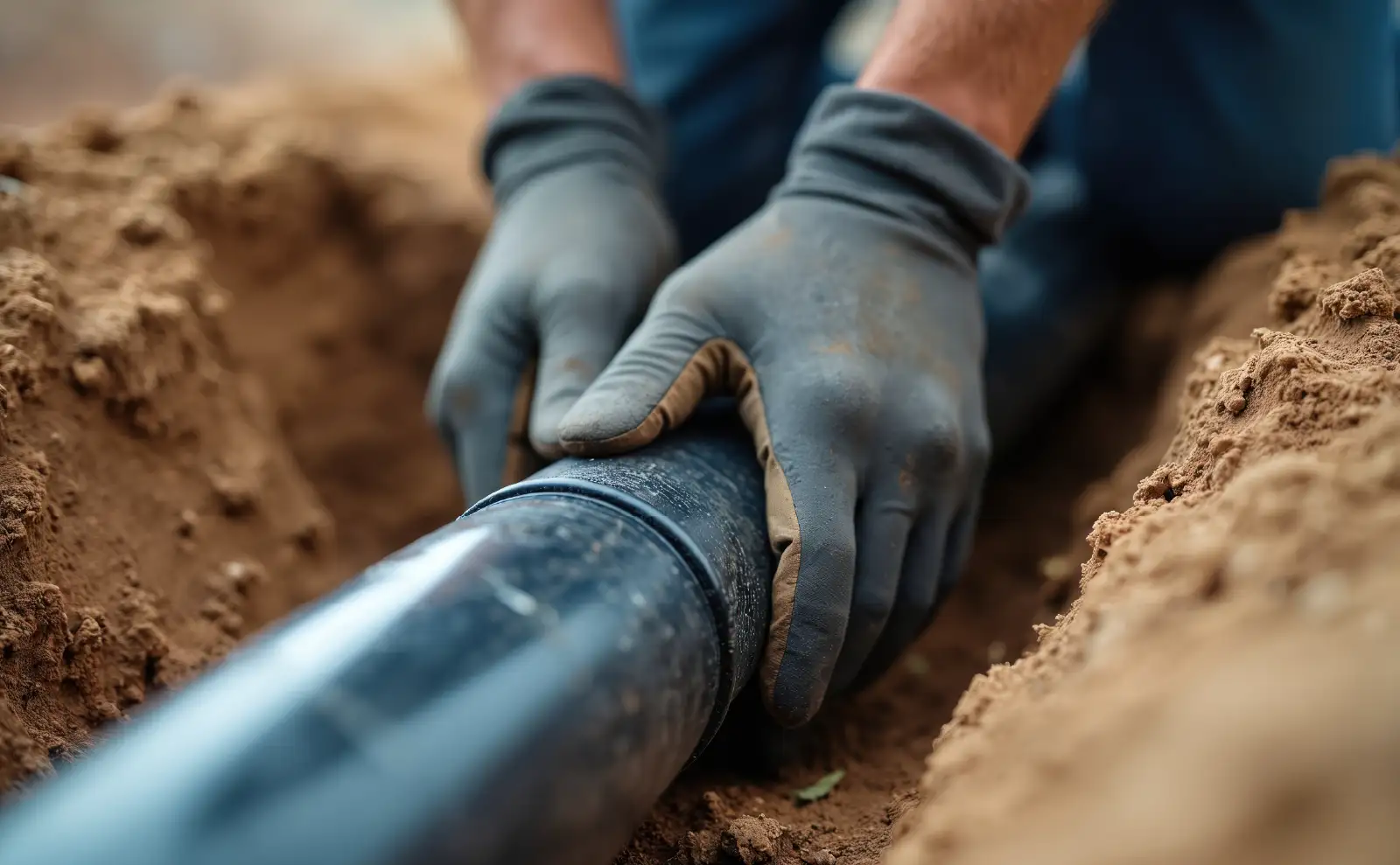
Main water line repairs often require excavation and specialized equipment. Signs include soggy yard areas, sudden pressure loss, or unexplained pooling water.
9. Sewer Line Issues & Tree root intrusion
Sewer lines carry wastewater from your home to the municipal system. When these lines become clogged or damaged, they can cause drain backups and serious plumbing problems.
Common causes of sewer line damage include:
- Tree root intrusion
- Collapsed pipes
- Heavy clogs
- Aging infrastructure
Tree roots are one of the leading causes of sewer line blockages. Recurring drain backups often signal sewer line damage that requires a camera inspection.
10. High Water Bills & undetected plumbing problems
A sudden spike in your water bill usually means one thing: a hidden leak.
Hidden leaks often originate from:
- Slab leaks
- Running toilets
- Irrigation line damage
- Underground pipe cracks
If your water usage hasn’t changed but your bill has, schedule leak detection immediately.
Frequently Asked Questions
Q: How much water does a dripping faucet really waste?
A: A faucet dripping once per second can waste over 3,000 gallons of water per year. Beyond the added cost, that constant moisture can lead to pipe corrosion, fixture rust, and mold growth if left unaddressed.
Q: How do I know if a clogged drain is a simple fix or a sewer line problem?
A: If only one fixture is affected, it’s usually a localized clog. But if multiple drains back up at the same time or issues keep recurring, that often points to a sewer line blockage, commonly caused by tree root intrusion, and it warrants a camera inspection.
Q: When should I repair my water heater instead of replacing it?
A: As a general rule, if your water heater is between 8-12 years old and showing signs of leaking, replacement tends to be more cost-effective than repair, since older units are more prone to widespread mineral buildup.
Q: Who is responsible for fixing a main water line break, me or the city?
A: It depends on where the break occurs. A break in the municipal supply line is the city’s responsibility, while a break in the line connecting your home to the supply is the homeowner’s responsibility.
Q: My water bill spiked, but I haven’t changed my usage. What should I do?
A: A sudden, unexplained increase in your water bill is one of the clearest signs of a hidden leak, whether from a slab leak, running toilet, or damaged underground pipe. Schedule leak detection promptly to prevent further damage.