
Key Takeaways
- Tree roots thrive on moisture, invading sewer pipes through tiny cracks.
- Early signs of sewer line root intrusion include slow drains, gurgling sounds, and wet areas in the yard.
- Professional inspection tools such as sewer cameras can provide an accurate diagnosis.
- Preventive strategies reduce future damage risks, including root barriers and routine maintenance.
- Solutions for root damage range from root removal and pipe lining to full sewer line replacement.
Tree roots that grow into sewer lines can be a real problem for homeowners in Sacramento. Not only can tree roots damage your pipes and sewer lines, it can cause a lot of expensive problems that must be addressed sooner rather than later.
It’s common for trees to seek out water and nutrients, and they’re not picky in the way they go about it. Sewer systems are an attractive target, especially when pipes are aging or compromised. It’s important to understand the signs of tree root intrusion and how you can save time, stress, and expense with the right solutions.
Why Do Tree Roots Target Sewer Lines?
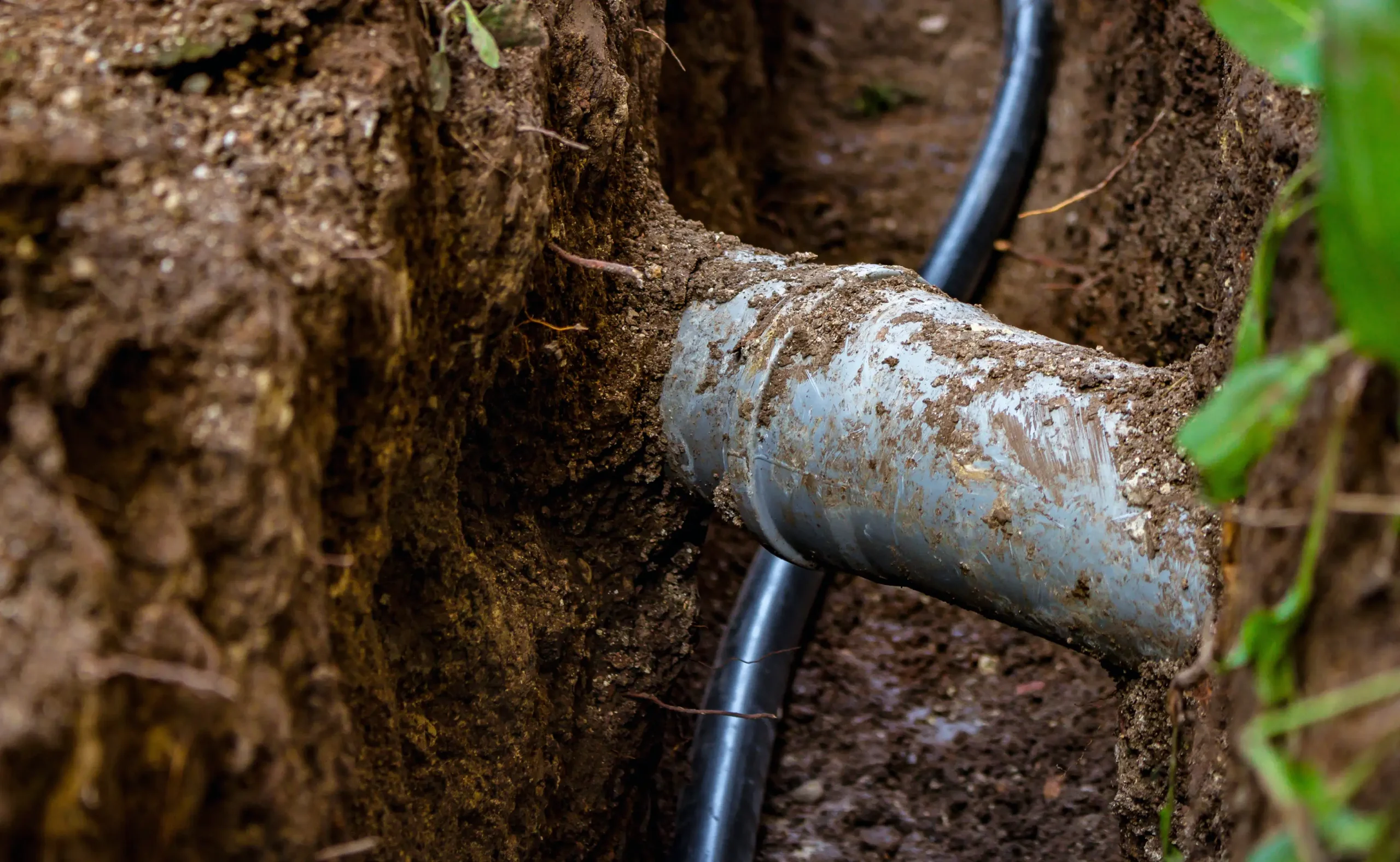
Trees are living organisms that are always on the lookout for water and nutrients in order to grow. Underground sewer lines, especially those made from clay or cast iron, leak small amounts of moisture into the soil, providing thirsty roots the sustenance they need. They will continue to grow toward and into pipe joints and cracks if given the chance.
Tree roots don’t actually bore through pipe walls — they exploit existing vulnerabilities in sewer systems to gain access to a reliable water source.
Once inside, roots start to weave into blockages, restricting wastewater flow and eventually causing backups or even total pipe collapse.
How Common Is Sewer Line Root Intrusion?
Tree root intrusion is a top cause of sewer line blockages in Sacramento and beyond. Tree roots favor older infrastructure, mature landscaping, and clay pipe systems, and when they hit sewer lines, they just keep going.
For example, older clay sewer pipes often develop gaps or cracks over time, making them especially susceptible to root invasion, according to the American Society of Home Inspectors.
6 Top Signs Tree Roots Are Affecting Your Sewer Line
Spotting and addressing sewer line issues early can help catch the problem before it worsens. Be on the lookout for these signs:
- Slow drains in sinks, tubs, or toilets
- Unpleasant odors around drains or in the yard
- Gurgling sounds when water drains
- Soggy spots or lush grass over the sewer line
- Tree growth directly above sewer pipes
- Sewage backups in low-lying fixtures
While any of the above can be caused by other factors, it’s wise to call an experienced Sacramento plumber if you notice multiple issues, especially if you have an older home with mature trees.
Professional Diagnosis Matters: Why?
Professional, accurate diagnosis is necessary to address tree root intrusion damage. One main way professional attention is far superior to DIY efforts is that qualified plumbers are skilled in sewer camera inspection. This gives plumbers an up close view of the inside of your sewer so they can detect the precise areas of blockages, root growth, cracks, or joint separations.
A visual inspection can determine if the problem is caused by:
- Surface debris or grease buildup
- Partial root infiltration
- Broken, sagging, or collapsed pipe sections
- Major root mass obstruction
Knowing, rather than guessing, is the best way to avoid ineffective or unnecessary repairs.
How to Prevent Root Intrusion Before It Starts
Prevention is always best when it comes to tree root intrusion. Here’s what you can do to be proactive:
- Plant trees at a safe distance from sewer lines
- Choose less invasive tree species near utilities
- Schedule regular sewer line inspections
- Consider root barrier installation
- Replace aging pipes with modern, root-resistant materials
How can you reduce the likelihood of disruptive sewer issues? It takes proactive planning, regular maintenance, and reliance on a professional Sacramento plumber skilled in sewer line inspections.
FAQs About Root Intrusion
Q: Can tree roots break sewer pipes outright?
A: Tree roots typically don’t break through intact pipe materials on their own. Rather, they grow through existing leaks, cracks, and joints, enlarging existing openings as they go.
Q: How do plumbers detect sewer line root intrusion?
A: Professionals rely on sewer camera inspections, which involve putting a waterproof camera through the line to inspect the interior and pinpoint the issue.
Q: Is trenchless repair effective against root problems?
A: Yes. Trenchless methods can reduce the chance of recurrence while minimizing yard disruption.
Q: Can roots come back after removal?
A: Unfortunately, yes. Unless the source of the intrusion is addressed through lining, replacement, or barriers, roots can regrow and infiltrate again over time.
Q: How far from a sewer line should trees be planted?
A: The general rule of thumb is to plant trees at least as far away as their expected mature root spread.
Tree Roots vs. Sewer Lines: Who Will Win This Battle?
Beneath the surface of your yard, there is a constant battle being waged between tree roots and sewer lines. If you want your sewer lines to come out on top every time, be diligent in recognizing the signs early and hire an experienced plumber in Sacramento to find the right solution for your system.