
Key Takeaways
- While rare, gas leaks can be potentially catastrophic and require immediate attention
- Common causes include corrosion, faulty connections, and aging infrastructure
- Natural gas is naturally odorless, and the added odorant may not always be noticed right away.
- Warning signs include rotten egg odors, hissing sounds, and dead vegetation
- Never attempt DIY gas line repairs; only hire licensed professionals
- Early detection tools such as gas alarms can prevent explosions and health risks
Gas lines are the workhorses of many Sacramento homes, acting as the driving force behind stoves, water heaters, and furnaces. However, when things go south, problems can quickly escalate, requiring a quick response. This is why it’s so important for homeowners to understand how gas leaks occur, how to recognize them, and what to do next. Today we’ll talk about gas line safety so you can stay informed and prepared.
The Consequences of Gas Leaks
Natural gas is widely used across the United States, with millions of miles of pipeline delivering it to homes. While generally safe, system failures do happen, and they come with serious risks. According to the National Transportation Safety Board, gas leaks can lead to fires, explosions, and dangerous air conditions if not detected early.
It’s more common than you may think. In fact, studies show that hundreds of pipeline leaks occur annually in the United States, often due to corrosion, equipment failure, or construction damage.
In addition, gas leaks can harm the environment. That’s because they release methane gas, which is a greenhouse gas much stronger than carbon dioxide.
5 Common Causes of Gas Line Leaks
Gas leaks can originate from wear, damage, or improper installation. Here’s a look at the top causes.
1. Corrosion & Aging Pipes
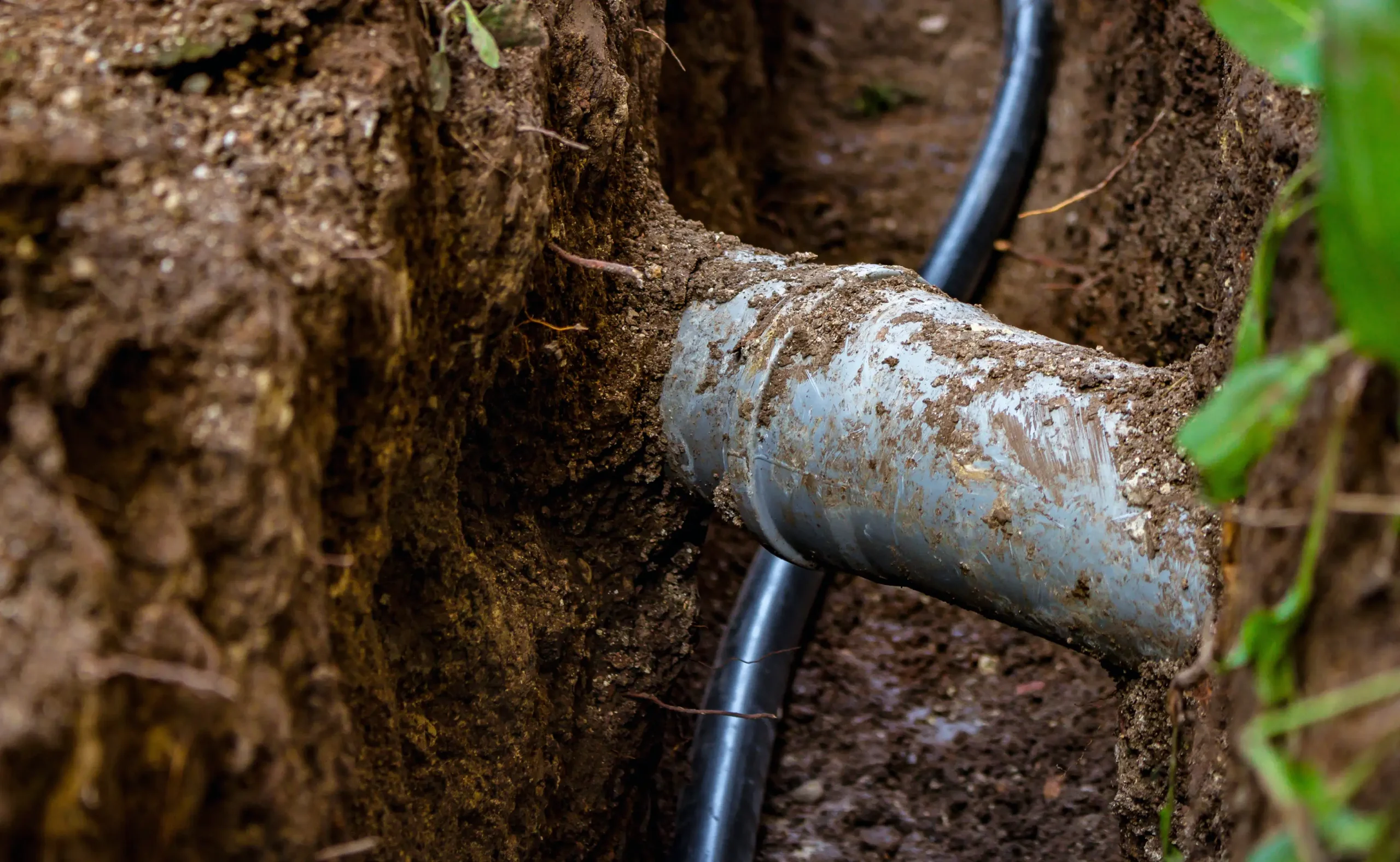
Over time, gas lines start to deteriorate due to moisture and soil conditions. Corrosion weakens pipes, which then increases the likelihood of leaks.
2. Faulty Connections & Fittings
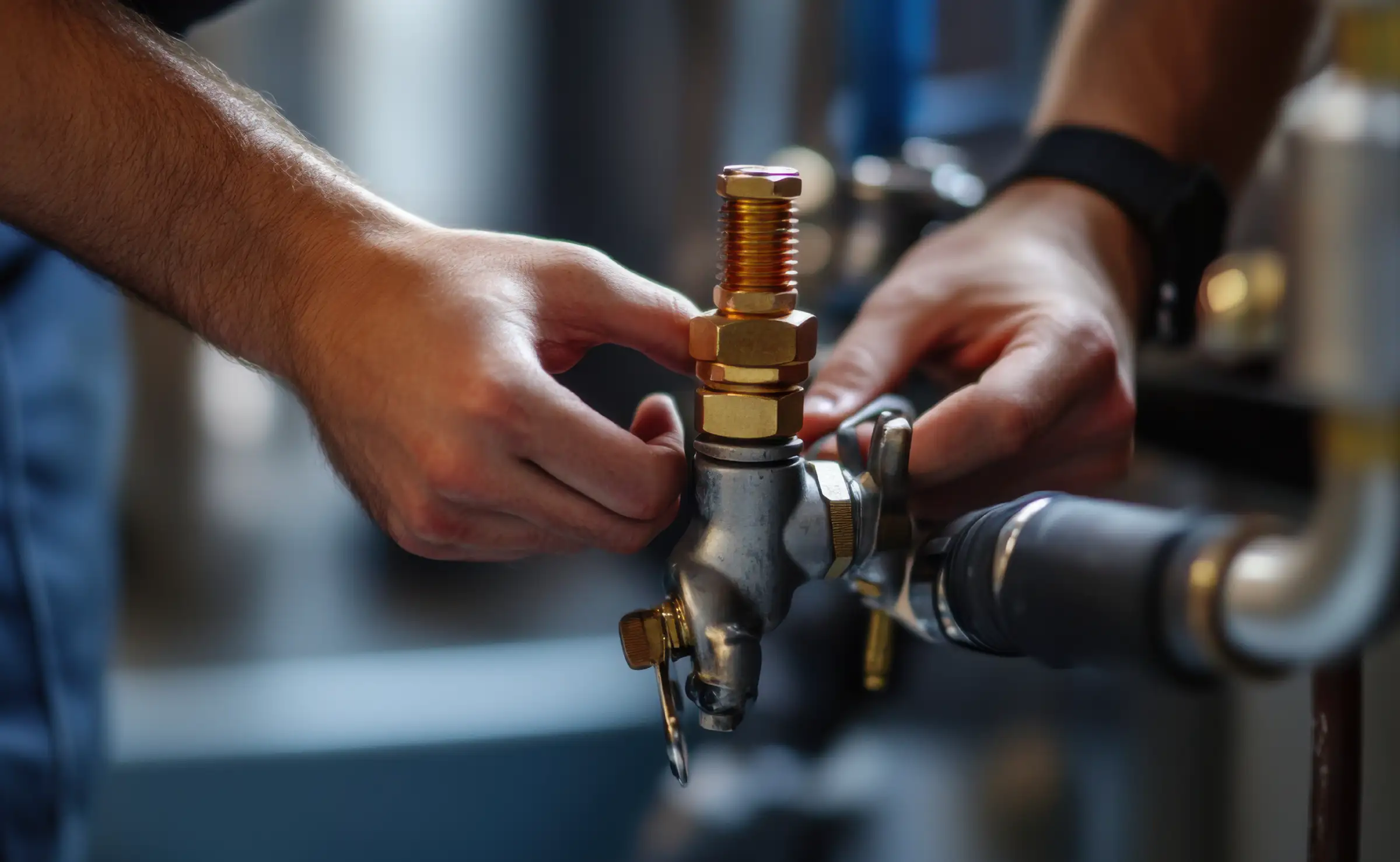
Loose joints, worn seals, or poorly installed fittings are among the most common leak points.
3. Appliance & Hose Issues
Flexible gas connectors and appliance components can crack or degrade, making regular maintenance essential.
4. External Damage
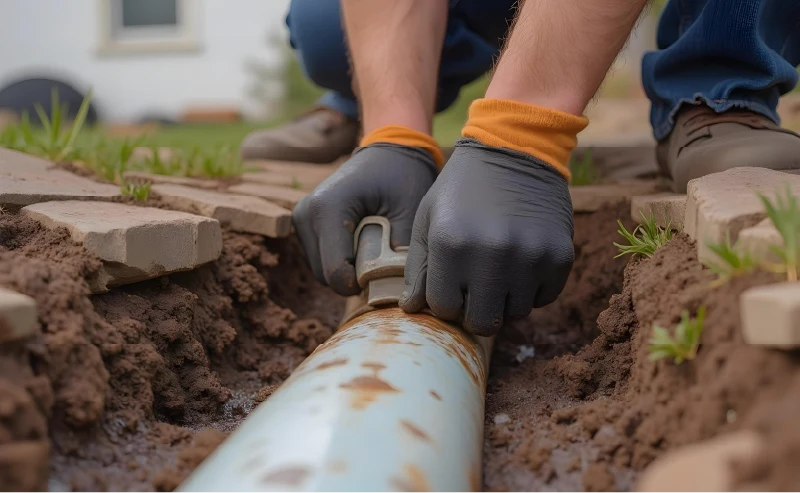
Construction work, landscaping, and natural ground shifts can damage underground gas lines.
5. Human Error
Dangerous conditions often arise with valves that are mistakenly left open, improper installations, or DIY modifications. This is why homeowners should always hire a plumber in Sacramento to perform gas line-related tasks.
Signs of a Gas Leak
Early detection is key. Some signs are obvious, but others are subtle.
- Rotten egg or sulfur smell (added odorant)
- Hissing or whistling sounds near gas lines
- Dead or discolored plants near outdoor lines
- Unexplained increase in gas bills
- Bubbles in standing water outdoors
However, relying solely on smell isn’t foolproof.
Natural gas is colorless and odorless, and added odorants don’t always work. This is why gas detectors and regular inspections are critical for safety.
Health & Safety Risks of Gas Leaks
Gas leaks pose many risks, from explosions to health effects.
Immediate Danger
- Fires and explosions due to flammability
- Oxygen displacement leading to suffocation
Health Effects
- Headaches, dizziness, nausea
- Respiratory irritation
- Long-term exposure risks in enclosed spaces
What to Do if You Suspect a Gas Leak
Quick action is imperative if you suspect a gas leak in your Sacramento home.
- Leave the home immediately
- Do not use electronics, switches, or open flames
- Call your gas company or emergency services
- Do not re-enter until professionals tell you the area is safe
Quickly recognizing and safely responding to a gas leak can save lives.
When to Call a Professional for Gas Line Repairs
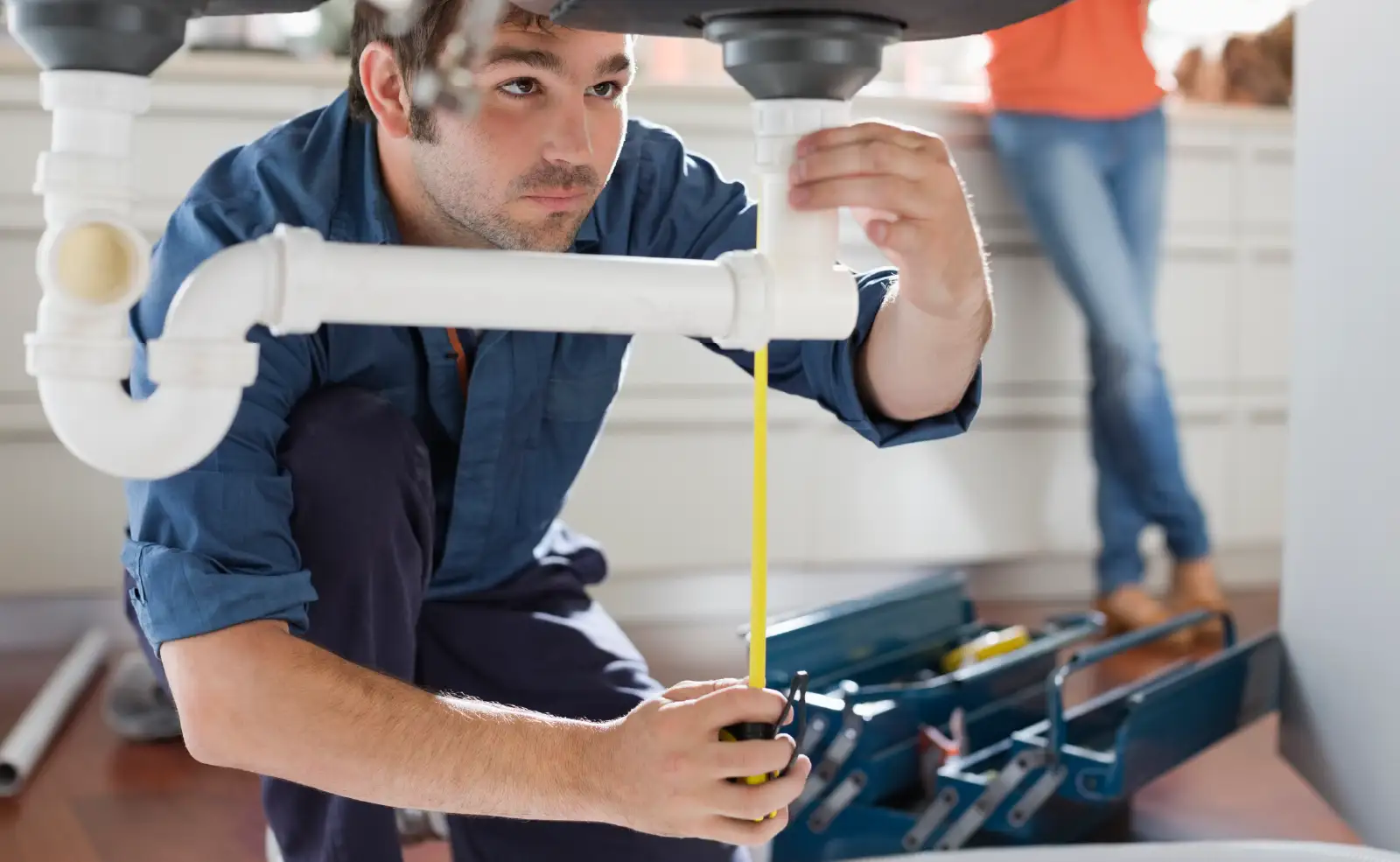
Never attempt DIY gas line repairs on your own. The risks are too dangerous. You should call a licensed gas line repair professional for the following circumstances:
- Persistent gas odor
- Aging or outdated gas lines
- Appliance upgrades or replacements
- Renovations involving gas systems
Your technician will arrive with advanced tools that can detect leaks, test pressure, and ensure code compliance.
Professional repairs by a licensed Sacramento plumber will not only ensure safety and meet local building codes, but will also prevent future leaks and liability issues.
Preventing Gas Leaks: Smart Safety Tips
Proactive maintenance is always the better route compared with emergency response. Here are some safety tips to keep in mind:
- Schedule regular inspections of gas lines and appliances
- Replace old connectors and hoses
- Install natural gas detectors in main areas
- Avoid DIY modifications to gas systems
- Call before digging to prevent underground damage
Routine maintenance can significantly reduce the risk of leaks and costly repairs.
FAQ: Gas Line Safety & Repairs
Q: How often should gas lines be inspected?
A: You should have your gas lines inspected every 1–2 years, or sooner if your home is older or undergoing renovations.
Q: Can a small gas leak fix itself?
A: No. Gas leaks do not resolve on their own and can worsen over time if ignored.
Q: Is it safe to stay in a house with a minor gas smell?
A: No. Even a faint smell could result in an emergency. It’s best to let a professional tell you it’s safe to go back inside.
Q: Are gas detectors necessary?
A: Yes. Odorants can fade or go unnoticed, so detectors provide an additional layer of protection.
Q: How long do gas lines last?
A: Depending on the material, gas lines can last 20–50 years; however, corrosion and environmental factors can shorten their lifespan.
Stay Safe & Prepared With Gas Line Awareness
Gas line safety should be a top priority for all Sacramento homeowners. Yes, leaks are relatively uncommon, but their impact can be severe when they do occur. To best protect your household, take the time to familiarize yourself with the warning signs, engage in regular maintenance, and rely on licensed professionals for gas line repairs.