
Key Takeaways
- If you have a private well, the Environmental Protection Agency (EPA) recommends testing at least once a year for total coliform bacteria, nitrates, total dissolved solids, and pH.
- If you use city water, start with your annual water quality report, then consider at-the-tap testing if you notice taste, odor, staining, scale, or other changes.
- DIY kits can help you screen for common issues, but certified lab testing is the better choice when you need detailed, contaminant-specific results.
- A plumber can help you connect water-quality symptoms to plumbing problems such as old pipes, low water pressure, corrosion, or the need for treatment equipment.
Homeowners shouldn’t rely on appearance alone to test the quality of their tap water. Water can look clear, smell normal, and still have problems. Whether your home uses Sacramento city water or a private well, testing helps you catch issues early and make better decisions about your plumbing, filtration, and household water use. Sacramento customers on city water can also review the annual Consumer Confidence Report to see what their local utility department is already monitoring in their water.
Tap water tip: The only way to know what’s in your water is to test it.
Why Water Testing Matters
Water testing is not just about taste. It is about health, plumbing performance, and peace of mind. Private well owners are responsible for the safety of their own drinking water. Well water is not regulated by the federal government under the Safe Drinking Water Act, unlike public water systems.
For municipal customers, your local water supplier must provide annual water quality information. In Sacramento, the city says it performs routine testing for more than 100 substances and publishes those results in its annual report. That is a strong starting point, but it does not replace testing at your tap when your home has older plumbing, a recent repair, or signs that something has changed inside the house.
Signs You Should Test Your Water Soon
You do not always need to wait for a major plumbing problem before you test. It makes sense to test your water sooner if you notice any of the following:
- A change in taste, color, or odor
- Scale buildup on fixtures or poor soap lather
- Staining on sinks, tubs, or laundry
- Recurring stomach issues with no clear cause
- Older plumbing or service lines that may contain lead
- Recent flooding, construction, or well repairs
- A new baby in the home, pregnancy, or a household member with higher sensitivity to contaminants
These are all situations the EPA flags as reasons to test more closely, especially for private wells and homes with plumbing-related risk factors.
diy,labs, and getting professional help
Home Water Testing Kits
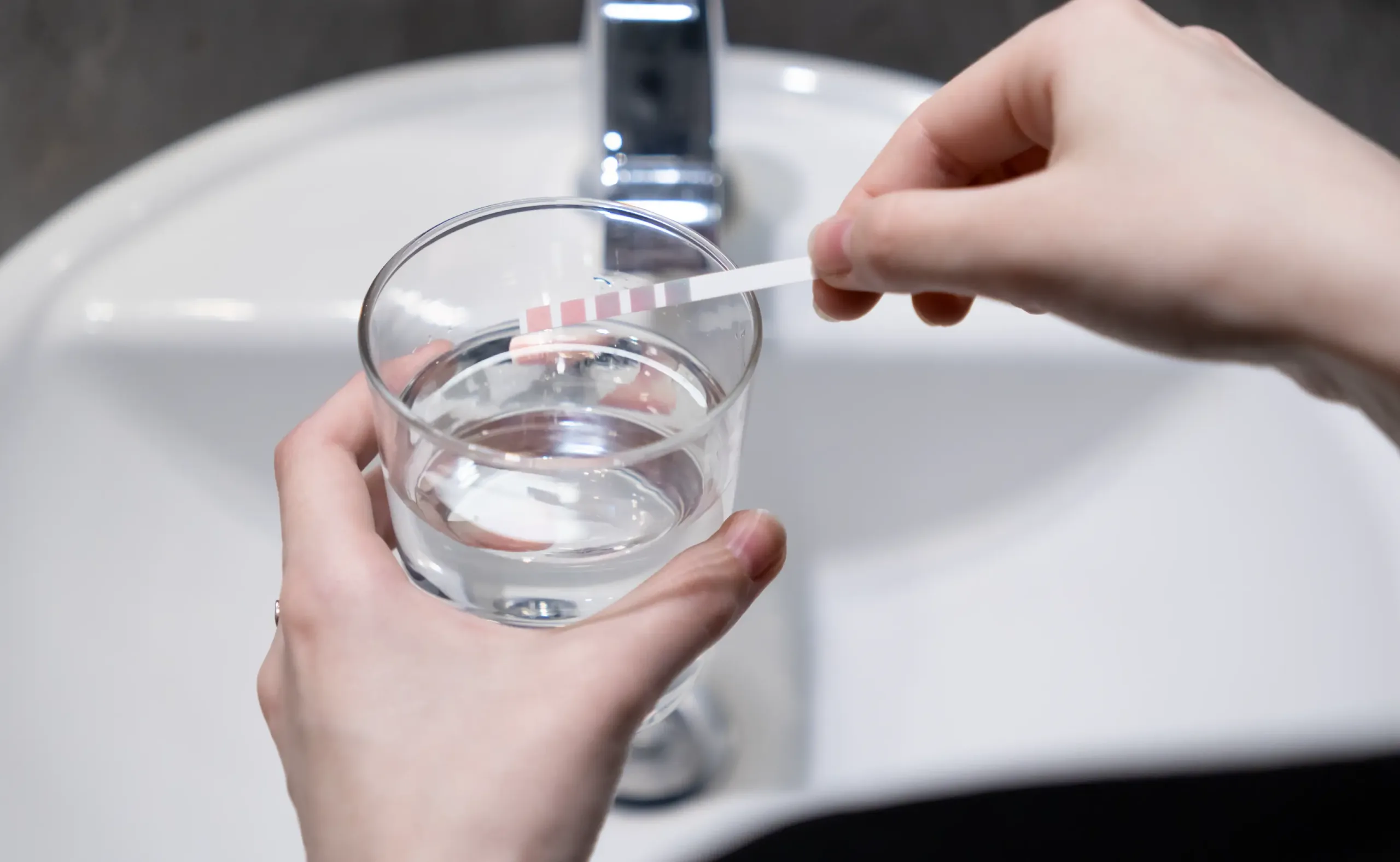
Home water testing kits are a practical first step when you want a fast snapshot of your water quality. These easy-to-use tests can be used to screen for common concerns such as pH, hardness, nitrates, and disinfectant-related issues. The EPA supports home water testing, especially as a first step for concerned homeowners.
Test Strips
Test strips are even simpler. They work best when you want to quickly check one or two issues, such as hardness or chlorine-related concerns. They are convenient, but they should be viewed as screening tools, not the last word on water quality. If a strip suggests a problem, the next step should usually be a certified lab test or a professional evaluation.
Certified Lab Testing
If you want the most dependable detail, use a certified lab. The EPA advises homeowners to use certified laboratories for drinking water testing. This is the best route if you are concerned about contaminants such as bacteria, nitrates, lead, or other substances that require more reliable analysis.
Professional Plumbing Help
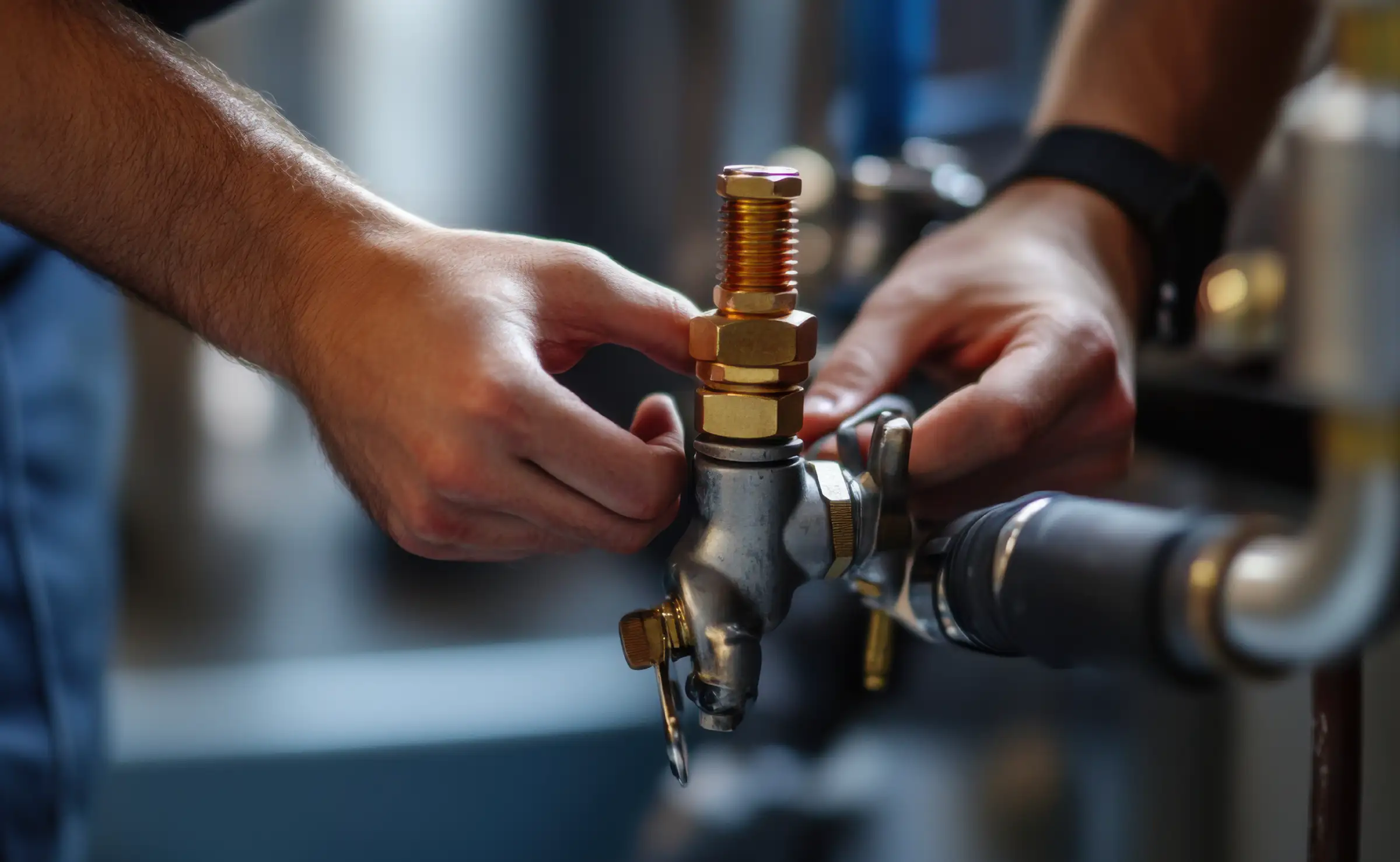
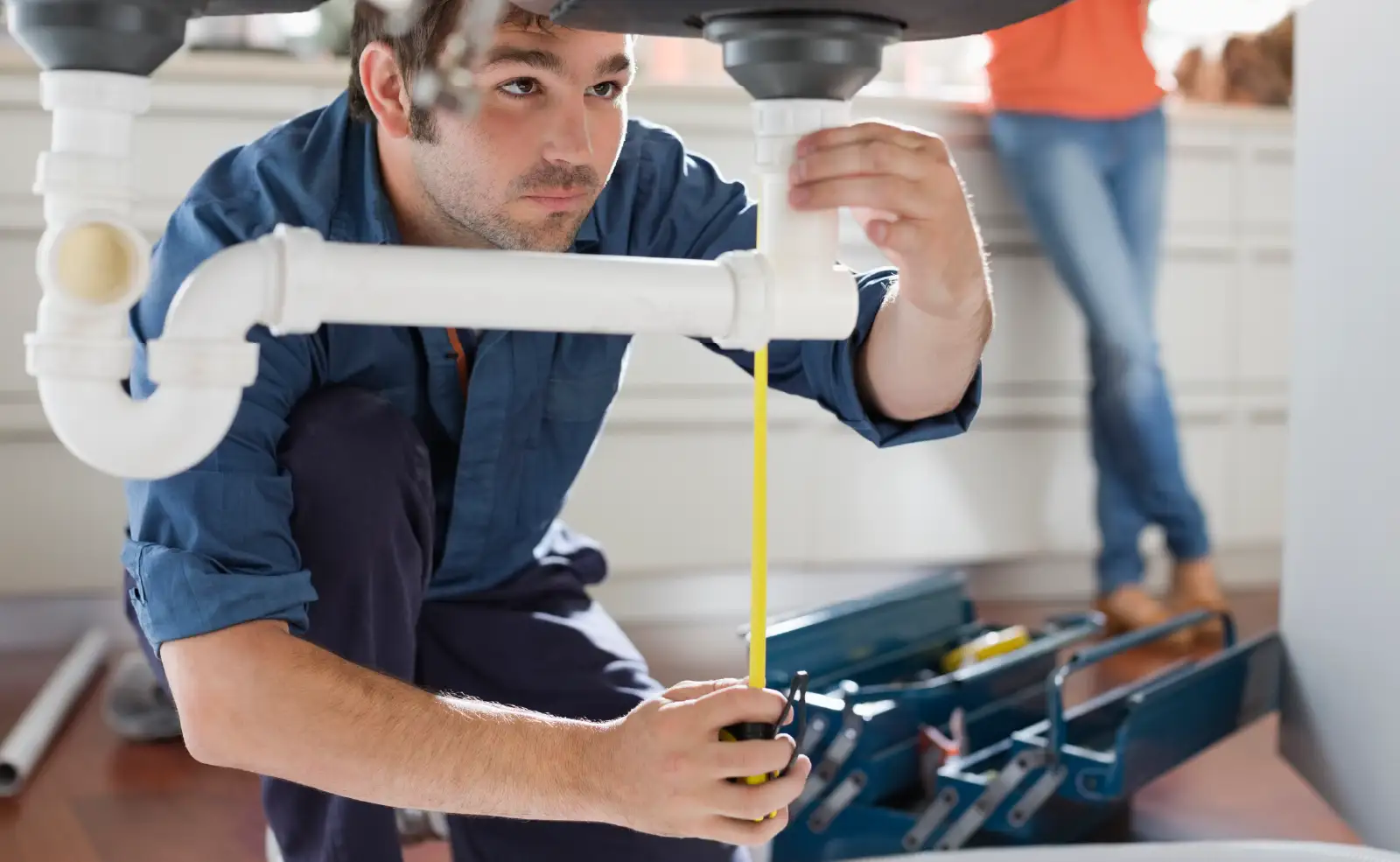
A licensed plumbing company can help determine whether the issue is coming from the water source, your home’s plumbing, pipe corrosion, low pressure, or aging fixtures. Honest Sewer & Drain tests water quality, low water pressure, leaks, and water line issues. Professional help is especially useful when water-quality concerns and plumbing symptoms arise simultaneously.
What to Test For
Not every home needs the exact same testing panel, but these are the most common items to discuss:
- Total coliform bacteria: Especially important for private wells or recurring gastrointestinal illness.
- Nitrates: A priority for wells and homes near agricultural activity.
- Lead: Important for homes with older plumbing or service lines. The health goal for lead in drinking water is zero, and children are particularly vulnerable to lead in water. If you have children in the home, make sure you test for lead.
- Hardness: Not usually a direct health concern, but it can leave scale, reduce soap performance, and wear on plumbing fixtures and appliances.
- PH, total dissolved solids, and copper: Useful baseline measures, especially for private wells and corrosion concerns.
Next Steps After you receive Your Results
Once you get your results, do not stop at the numbers. Compare them with the guidance from your lab, your utility report, or EPA resources. If something looks off, confirm what needs retesting, whether treatment is needed, and whether your home’s plumbing could be contributing to the issue. For example, lead concerns are often tied to plumbing materials and corrosion, not just the source water itself.
If you are on city water, review your Consumer Confidence Report alongside your home test. If you have a well, keep annual testing on your calendar. If you are experiencing low water pressure, leaking pipes, recurring fixture stains, or other plumbing issues, it is wise to bring in a professional who can assess the entire system. Honest Sewer & Drain offers water quality testing and can diagnose low water pressure, leaks, and water line issues.
Clean, reliable water matters every day, from cooking and drinking to bathing and protecting your plumbing. If something about your water seems off, testing will give you a clear starting point. If the results indicate a plumbing issue, we can help you identify the cause and recommend the right next step for your home.
FAQs About Water Quality Testing
Q: How often should well water be tested?
A: The EPA recommends testing private wells annually for total coliform bacteria, nitrates, total dissolved solids, and pH. You should test sooner if your water changes in taste, color, or odor, or if your well has been repaired or affected by flooding or nearby construction.
Q: Is Sacramento city water already tested?
A: Yes. The City of Sacramento says it routinely tests for more than 100 substances and publishes an annual Consumer Confidence Report. Home tests can also be helpful when the plumbing may be contributing to the problem.
Q: Are home water test kits enough?
A: They are useful for screening, but they are not always enough for decision-making. If you need a reliable answer about a specific contaminant, certified lab testing is the better option.
Q: When should I call a plumber?
A: Call a plumber when water concerns show up with plumbing symptoms such as low water pressure, leaks, fixture staining, scale buildup, or older pipes. A plumber can help determine whether the issue is related to your plumbing system rather than the water source. We include water quality testing in many of our services.