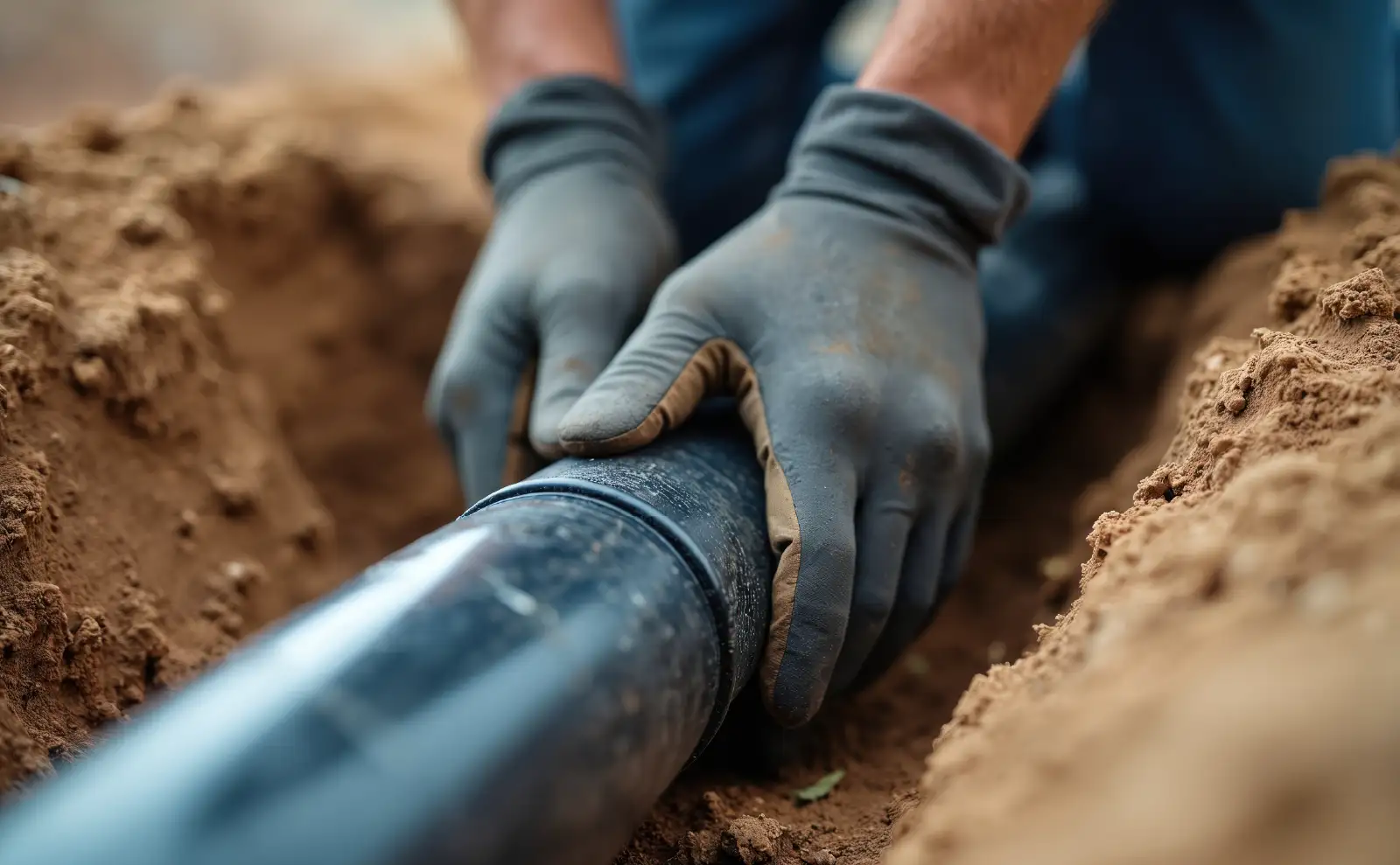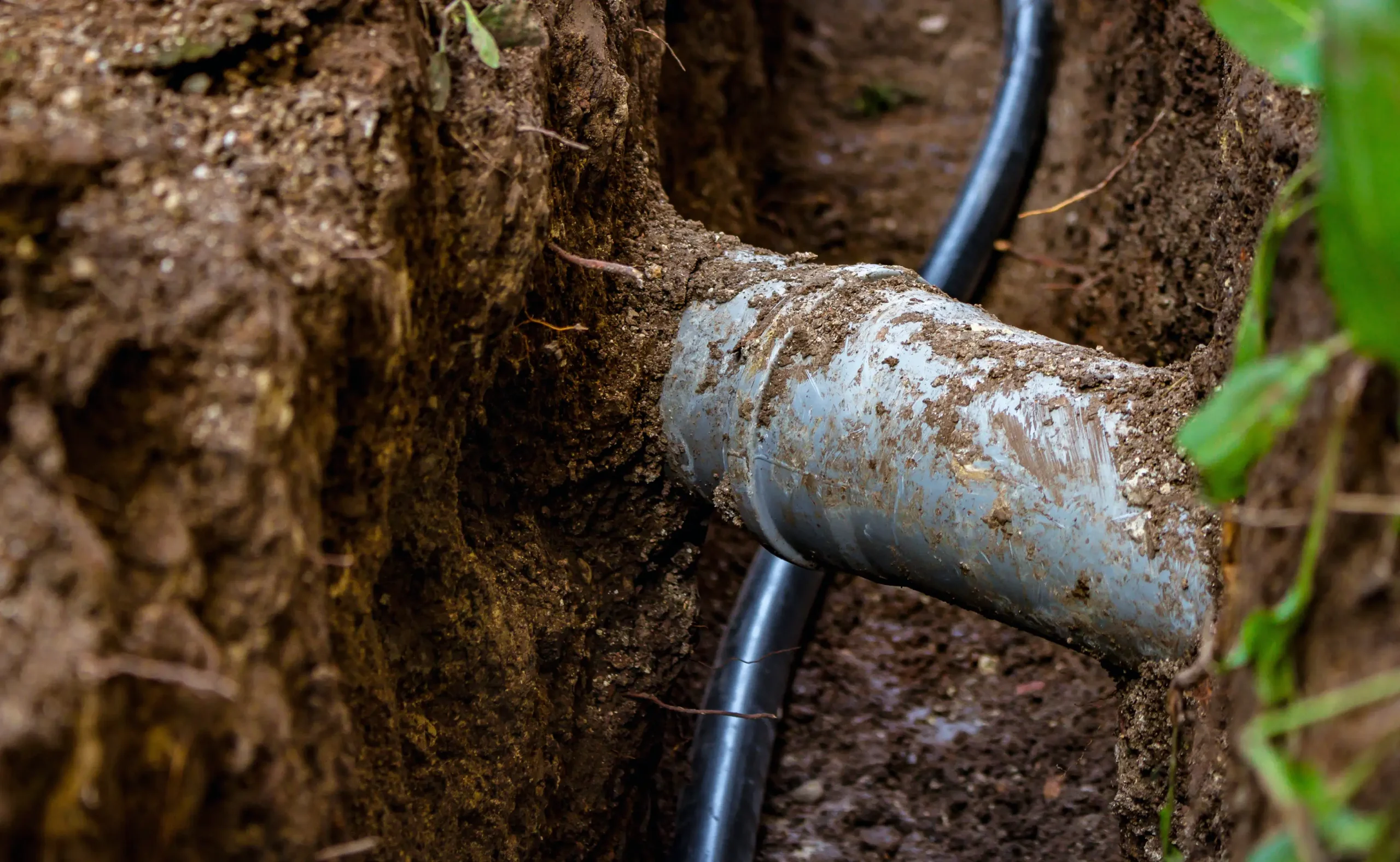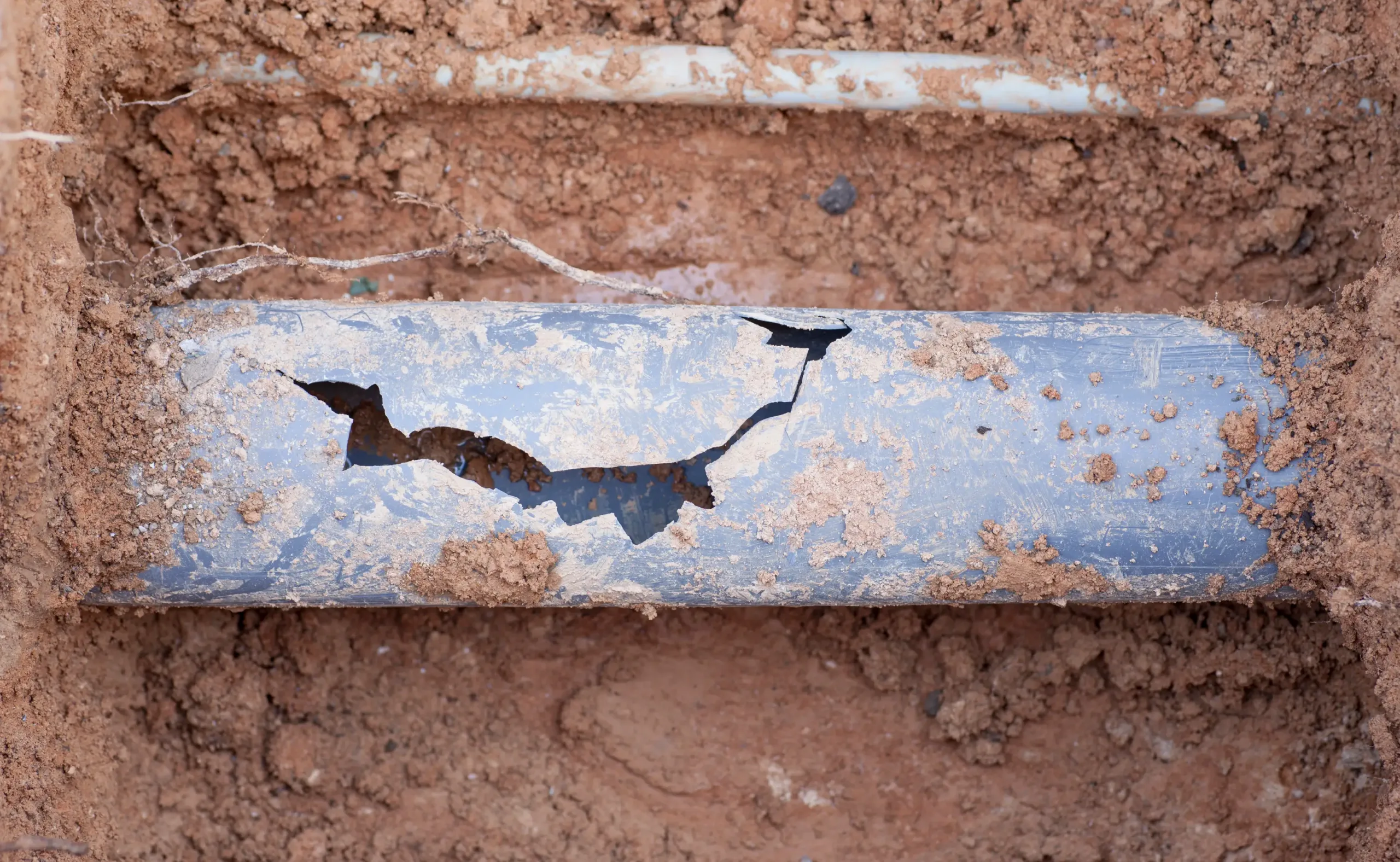

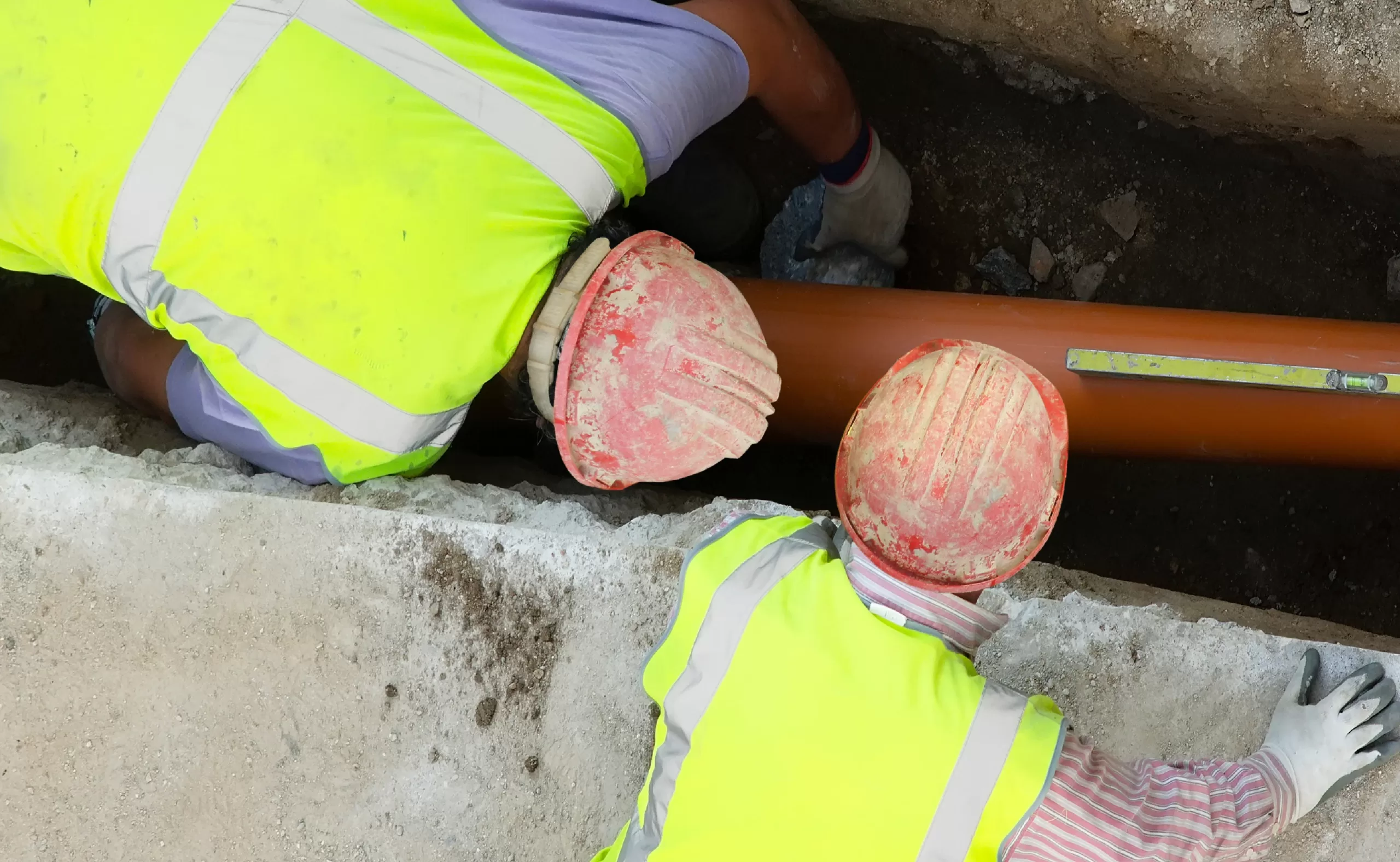
In years past, the only way to repair or replace residential sewer lines was to dig trenches to access underground pipes. With modern technology came the ability to perform this process much less invasively, through trenchless pipe repair, without the need to excavate. While the trenchless method certainly has its advantages, there are some instances where traditional sewer line repair in Sacramento is more appropriate.
From emergency repairs to complex pipe layouts, let’s take a look at some of those times when traditional sewer line replacement is a better choice.
Emergency or Urgent Repairs
In an emergency, traditional approaches are often the only viable option, especially if there is a major blockage or extensive damage that needs immediate attention. Trenchless methods, while less invasive, take a lot more careful preparation and planning to undertake. Time is sometimes not on your side, in which case traditional methods are more appropriate.
For example, the pipe’s liner must be custom-made to fit your specific type of pipe, and this could take a few days to create. But with traditional repair, the damaged section of the pipe can be dug up on the spot and repaired immediately. For pipe problems that can’t wait, traditional would be the better solution here.
Complex Pipe Layouts
For sewer lines that have complex configurations, traditional sewer line replacement is often more effective. These configurations can include multiple bends, connections, and junctions. Trenchless methods often have a hard time navigating these complex situations, which can result in ineffective or incomplete repairs. When the sewer line can be excavated and exposed, contractors get a much better view of the problem and can more readily access all system parts for a more precise job.
Cost Considerations
Trenchless methods are often touted for their cost savings because of the reduced disruption to the landscape and less labor involved, but in some instances, traditional sewer repair is more cost-effective. When the damage is localized and limited to one small section, conventional methods are less complex and expensive than utilizing trenchless techniques over large areas.
Trenchless Sewer Repair vs. Traditional Repair
As a refresher, traditional sewer repair involves digging out the area around a sewer line to identify and then repair or replace the damaged section. This process requires the use of heavy equipment, which can destroy the landscaping and cause disruption to the property. With trenchless sewer line repair, no digging is involved and damage to the landscape is non-existent or minimal. The job can be completed more quickly and there are lower labor costs involved.
However, the trenchless approach does have a few drawbacks, as it isn’t always deemed to be the best option. Here are some sample scenarios.
- Digging up a pipe traditionally may be the only solution when that pipe has been completely broken, has collapsed, or was improperly installed in the first place.
- The equipment and expertise required for the job can actually be more costly when it comes to the repairs themselves.
- Effective trenchless repair requires trained technicians who have the right equipment and experience in this method to perform it. Not everyone does.
Some instances where traditional excavation is best include:
- When you have a severe sewer line problem, as excavation allows better access to the entire pipe so extensive repairs or replacement can be made.
- When the damaged area is easy to access. If the location of the damaged pipe is clear and digging poses a low risk to surrounding landscaping or the property, traditional excavation can be used with minimal disruption.
With that being said, traditional excavation is highly disruptive and can have its own distinct drawbacks. Here’s why:
- It can be challenging to determine the exact area of damage if you don’t have an obvious leak, which would require digging until the issue was found.
- Between digging and refilling, traditional excavation is time-consuming.
- Heavy equipment is required to dig into the ground and gain access to the pipe.
- Damage or disruption to your landscape is usually inevitable.
- Digging requires extensive clean-up time, which in turn elevates labor costs.
- Traditional excavation leaves you without water for the duration of the project, which may take a week or more.
Get a Free Quote on Sewer Line Replacement Today
After an on-site inspection, our highly experienced and trained team can determine if you are a better candidate for traditional sewer line replacement or trenchless. Get your free quote on sewer line replacement today when you contact us at (916) 690-5858 or complete our online form.